








Here you will find vetted beauty professionals for your on and off set hair and makeup needs
Artist availability may vary. Please request via BBR Support PageDemand Better Beauty: 4 Ingredients to Leave on the Shelf
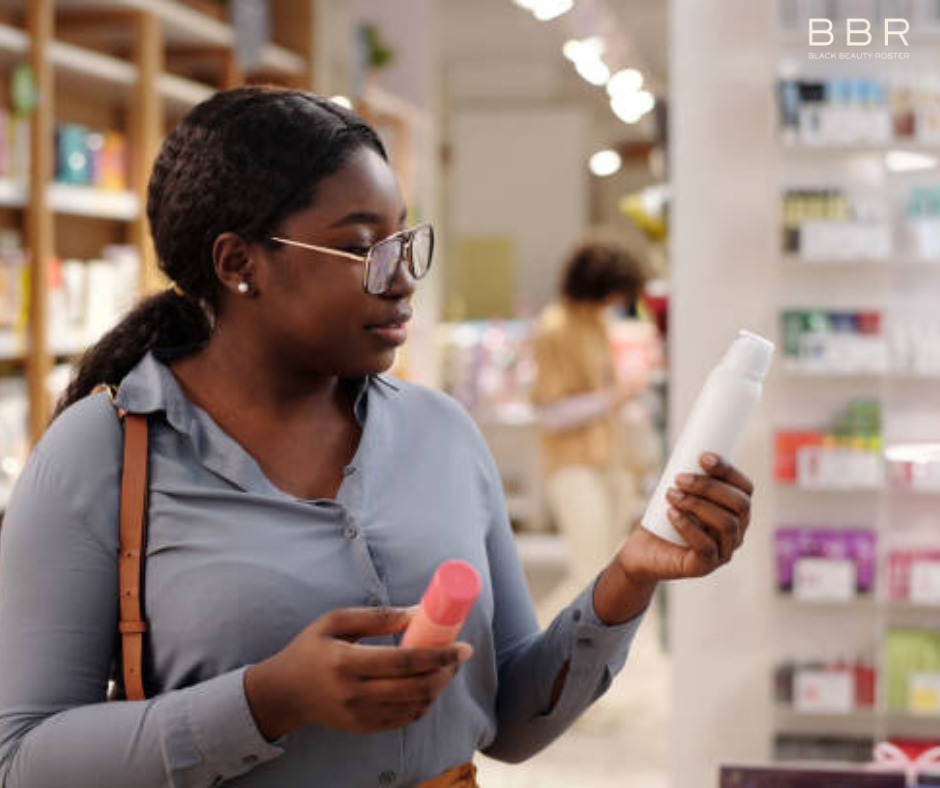
As our society advances and evolves, true progress begins with our daily routine. For instance, regarding the products we use, how many of us really know what we are consuming or applying to our bodies? Do we fully understand what they mean? Well, this has sparked attention and now the conversation has started. The State of New York proposed legislation called the Beauty Justice Act.
What is the Beauty Justice Act?
The Act, also referred to as the Safe Personal Care and Cosmetics Act, aims to ban harmful chemicals in our products. Chemicals linked to health issues such as cancer, infertility, miscarriage, obesity and asthma. By enacting this Act, the goal is to protect consumers from these substances especially Black and Brown women as they are at higher risk.
Which substances are harmful?
Substances embedded in the pores corrupt our natural oils and interrupt the skin’s rhythm, which is corrosive and caustic. Here are a few toxins to be aware of:
Phthalates: Keep the scent from evaporating and prevent nail polish from chipping. Therefore, this can trigger redness, swelling and disrupt hormonal levels.
VOCs (Volatile Organic Compounds): Evaporate quickly to help the product set or dry onto your hair and skin like in hairspray, nail polish or deodorant. Consequently, it can cause damage or infiltrate to the skin barrier.
Heavy Metals: While many makeup colors come from natural minerals, impurities containing lead, arsenic, mercury, and cadmium have occasionally been traced in pigments. Thus, symptoms include inflammation, premature aging, pigmentation changes, and flare-ups of eczema and rashes.
Parabens: Used as preservatives to stop mold and bacteria growth. As a result, sensitive or damaged skin can be greatly affected with irritation or allergic reactions.
Why it matters?
For Black and Brown women, racial and economic disparities affect product safety. Specifically, women in lower-income and predominantly minority neighborhoods experience these effects the most. Their disadvantage prevents them from accessing cleaner, safer products. Ultimately leading to hazardous ones that compromise their health.
Ways to get involved
If any of your products have these, it's time to update your collection. Overall, stay up to date and read what’s going on. Continue to raise awareness amongst your community and advocate for laws like the Beauty Justice Act. Support safe products and join events from organizations like WE ACT for Environmental Justice’s Beauty Justice Happy Hour. Connect with likeminded people who want to promote the cause. Every voice matters in making a difference.